Myth-Busting: Common Misconceptions About Screen Printing
Understanding Screen Printing
Screen printing is a popular method used to transfer images onto various materials, including fabric and paper. Despite its widespread use, several myths persist about the process. In this post, we'll debunk these misconceptions and provide a clearer understanding of screen printing.
Myth 1: Screen Printing Is Only for Large Orders
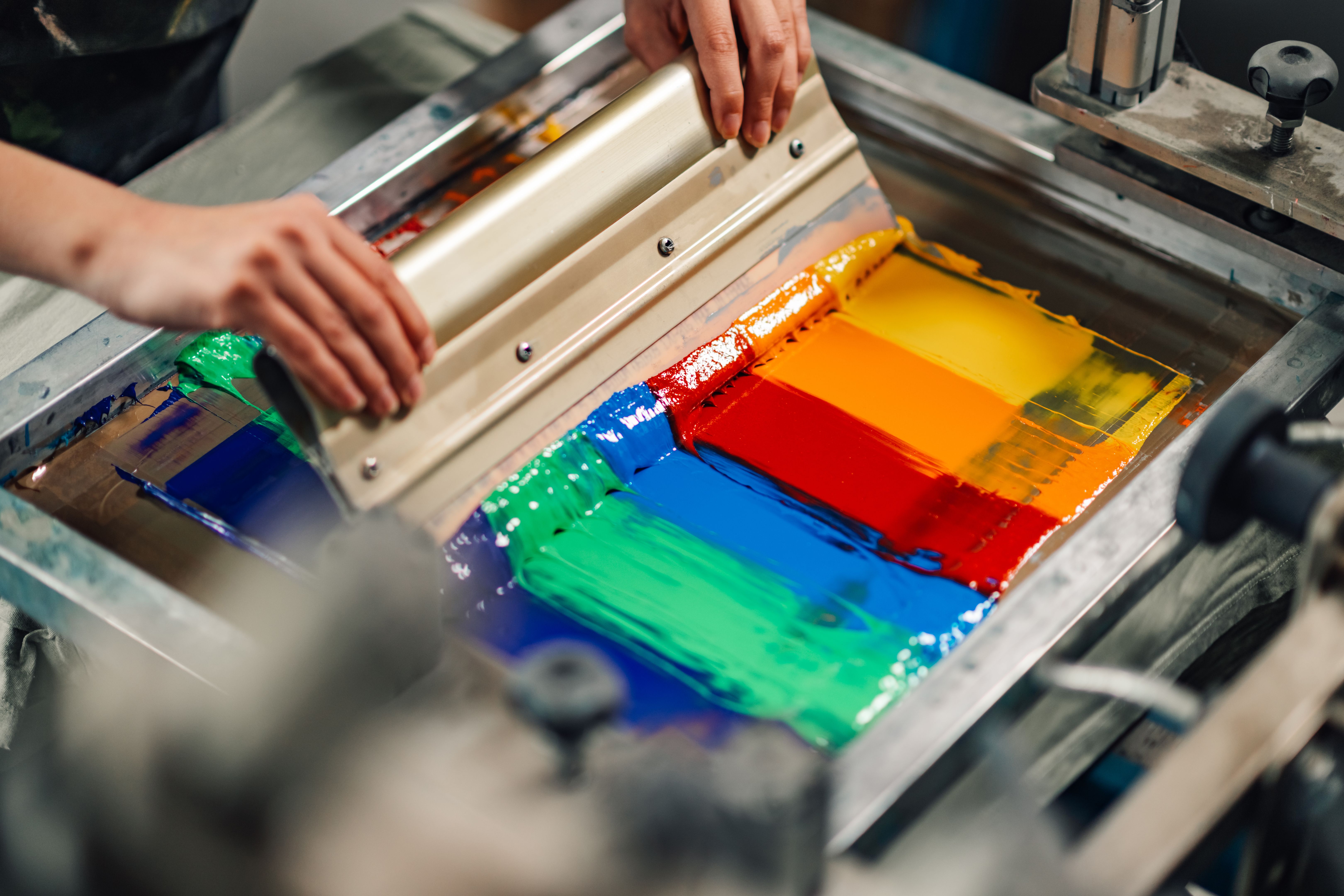
One of the most common misconceptions is that screen printing is only cost-effective for large orders. While it's true that the setup process involves creating a stencil (or screen) for each color, advances in technology have made it feasible for smaller runs. Many screen printers now offer competitive pricing for smaller quantities.
Myth 2: Limited to Simple Designs
Another myth is that screen printing can only handle simple, blocky designs. In reality, screen printing can produce complex, detailed images with multiple colors. Modern techniques and inks allow for intricate designs, gradients, and even photographic images to be printed with clarity and precision.
Debunking Quality Concerns
Some people believe that screen printing results in poor quality prints that fade or crack over time. However, when done correctly, screen printing produces durable and vibrant prints that withstand washing and wear. The key is using high-quality inks and proper curing techniques.
Myth 3: All Inks Are the Same
Not all screen printing inks are created equal. There are various types, including plastisol, water-based, discharge, and more. Each has its own properties and best-use scenarios. For instance, plastisol inks are known for their durability, while water-based inks offer a softer feel and eco-friendly option.

Environmental Impact of Screen Printing
Some believe that screen printing is inherently bad for the environment. While traditional methods did involve harmful chemicals, many modern screen printers use eco-friendly inks and sustainable practices. Water-based inks, for example, are less toxic and easier to clean up.
Myth 4: Screen Printing Is Outdated
With the rise of digital printing, some assume screen printing is a thing of the past. However, screen printing still holds a significant place in the industry due to its ability to produce vibrant colors and prints that last. It's particularly favored for apparel and promotional items.
Myth 5: Difficult Setup Process
The setup process for screen printing is often perceived as cumbersome and time-consuming. While it does require some preparation, advancements in technology have streamlined the process, making it faster and more efficient than ever before.
Conclusion
Screen printing remains a versatile and viable option for producing high-quality prints on various materials. By debunking these myths, we hope to shed light on the capabilities and advantages of screen printing, encouraging more people to consider it for their printing needs.